
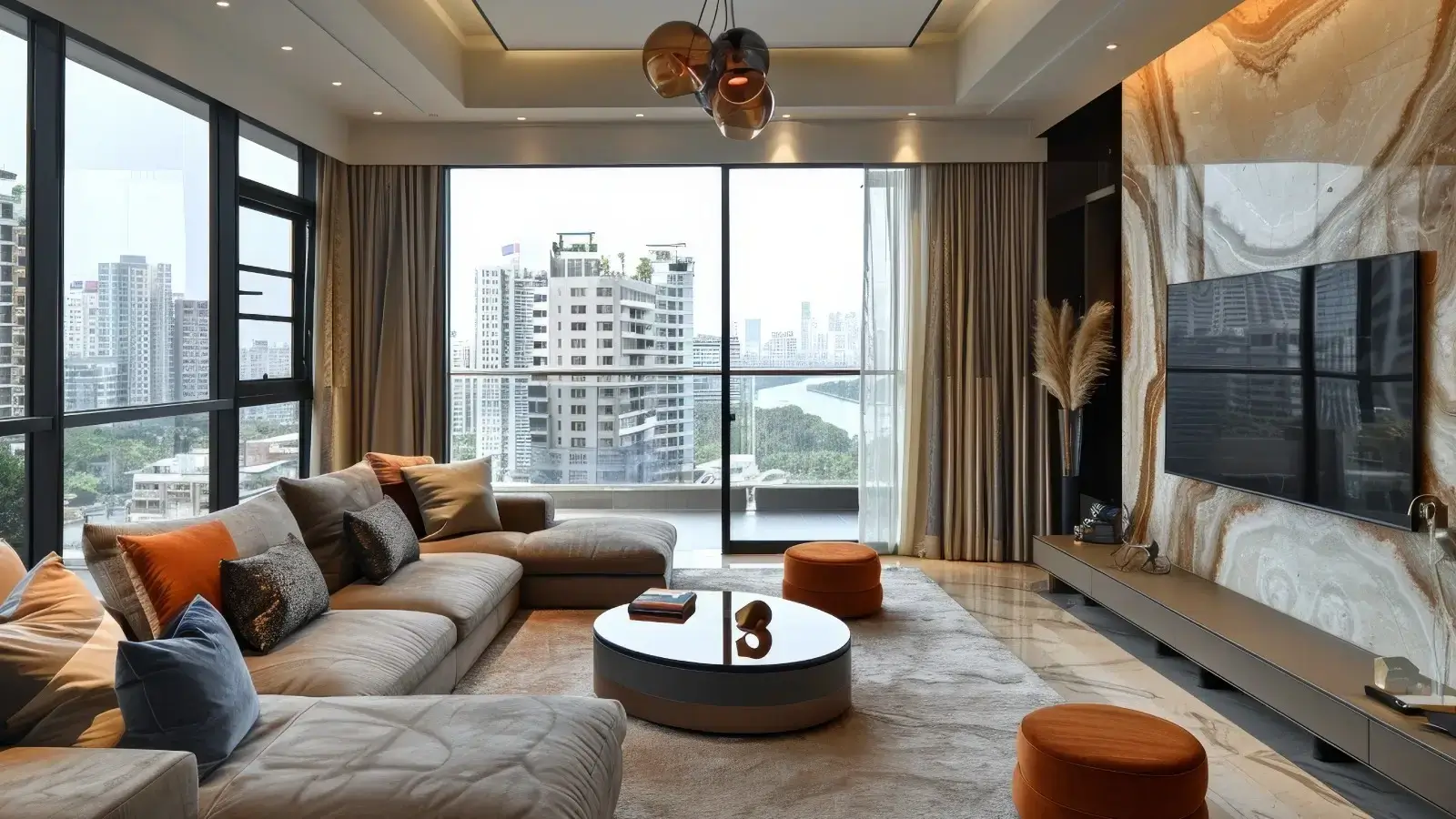
Ghaziabad has rapidly evolved from a satellite city into one of the NCR’s most active residential destinations. Improved connectivity, expanding infrastructure, and rising buyer expectations have transformed the local real estate market. Today, homebuyers can choose between premium luxury residences and budget-friendly affordable housing projects depending on their lifestyle goals, financial capacity, and long-term investment plans.
Understanding the debate around luxury living vs affordable housing is important for homeowners, investors, and real estate professionals alike. While affordable housing focuses on accessibility and functionality, luxury developments emphasize exclusivity, premium amenities, spacious layouts, and lifestyle-driven experiences.
In recent years, the rise of luxury living in Ghaziabad has become increasingly visible due to growing demand from professionals, entrepreneurs, NRIs, and upper-middle-income families seeking upgraded urban lifestyles close to Delhi and Noida.
This guide explains the key differences between luxury and affordable housing in Ghaziabad, helping buyers make informed real estate decisions.
What Does Luxury Living Mean?
Luxury living in modern real estate extends beyond high property prices and focuses on an elevated lifestyle experience. It includes spacious layouts, premium construction quality, advanced security, smart home features, wellness amenities, landscaped surroundings, concierge-style services, and excellent urban connectivity designed to enhance comfort, convenience, exclusivity, and overall quality of life.
Luxury residential projects typically include:
- Spacious floor plans
- Premium construction quality
- Advanced security systems
- Clubhouses and wellness facilities
- Smart home technology
- Landscaped green spaces
- Concierge and hospitality-inspired services
- Prime urban connectivity
Luxury housing today focuses not only on property ownership but also on enhancing overall quality of life.
Projects developed by brands like MUREC reflect this evolving demand for sophisticated urban living environments in Ghaziabad.
What is Affordable Housing?
Affordable housing refers to residential properties developed to meet the needs of middle-income and first-time homebuyers seeking practical, budget-friendly living options. These homes focus on affordability, efficient space utilization, essential amenities, and accessible pricing while supporting comfortable urban living without the premium costs associated with luxury residential developments.
Affordable housing plays an important role in supporting urban housing demand and improving homeownership accessibility across growing cities like Ghaziabad.
Luxury Living vs Affordable Housing: Major Differences
1. Price and Investment Value
One of the most significant differences between luxury living and affordable housing lies in pricing, investment scale, and long-term value potential.
Luxury properties generally involve higher upfront costs due to premium locations, superior construction quality, branded developments, and lifestyle-oriented amenities.
Where affordable housing focuses on budget-friendly pricing designed to support accessible homeownership for middle-income buyers and first-time homeowners.
| Factor | Luxury Living | Affordable Housing |
|---|---|---|
| Property Price | Higher | Budget-oriented |
| Maintenance Costs | Premium | Lower |
| Appreciation Potential | Strong in premium micro-markets | Moderate but stable |
| Buyer Segment | High-income buyers | Middle-income buyers |
| Rental Yield | Premium rentals possible | Consistent rental demand |
2. Location Advantages
Location plays a major role in differentiating luxury living from affordable housing.
Luxury residential projects are typically developed in prime or fast-growing areas with strong infrastructure, better urban planning, and seamless connectivity to major commercial and lifestyle destinations. These developments often prioritize proximity to business hubs, expressways, metro corridors, reputed schools, healthcare facilities, and premium shopping centers to offer greater convenience and long-term value appreciation.
Affordable housing projects, on the other hand, are often located slightly away from established premium zones to maintain cost-effective pricing for buyers. However, ongoing infrastructure development in Ghaziabad, including improved road networks and transit connectivity, is steadily enhancing accessibility and growth potential across both luxury and affordable residential segments.
3. Construction Quality and Design
Luxury residential projects are typically built with premium materials, sophisticated architectural concepts, modern façade aesthetics, and carefully planned interiors that enhance both functionality and visual appeal. These homes often include high-end flooring, branded fittings, improved sound insulation, better ventilation, and smart space utilization designed to support contemporary urban lifestyles.
Affordable housing projects primarily focus on practical layouts, efficient construction methods, and essential functionality to maintain cost efficiency. While these developments provide comfortable living spaces, they generally offer simpler finishes and fewer premium design elements compared to luxury residences. Modern luxury buyers increasingly prefer homes that combine aesthetics, comfort, and intelligent planning with long-term lifestyle value.
4. Amenities and Lifestyle Experience
Luxury residential communities are designed to provide a comprehensive lifestyle ecosystem that combines comfort, wellness, recreation, convenience, and exclusivity within the project itself.
Common luxury amenities often include:
- Infinity Swimming Pools
- Clubhouses And Entertainment Zones
- Fitness Centers And Gyms
- Spa And Wellness Facilities
- Sports Courts And Jogging Tracks
- Private Lounges And Social Spaces
- Smart Home Technology
- Landscaped Gardens And Open Green Areas
- Co-Working And Business Spaces
- Advanced Multi-Layer Security Systems
Affordable housing projects generally focus on essential community infrastructure and practical daily living requirements. Common amenities in these developments may include:
- Basic Parks and Children’s Play Areas
- Community Halls
- Standard Security Arrangements
- Limited Recreational Facilities
- Functional Parking Spaces
The continued rise of luxury living is closely connected to increasing buyer demand for integrated residential experiences that offer convenience, wellness, social engagement, and modern lifestyle benefits within organized gated communities.
5. Space and Layout
Luxury residences are typically designed to provide spacious and comfortable living environments that support modern family lifestyles, privacy, and multifunctional usage of space.
Luxury homes often include:
- Larger Carpet Areas
- Multiple Balconies with Better Ventilation
- Dedicated Utility and Storage Spaces
- Walk-In Wardrobes
- Servant Rooms
- Home Office or Study Areas
Affordable housing projects focus on compact layouts and efficient space utilization to maintain affordability while meeting essential residential needs. These homes are designed to maximize functionality within limited square footage.
The growing adoption of remote work and hybrid work models has further increased demand for larger homes, as many urban families now prioritize flexible living spaces that can accommodate work, leisure, and long-term comfort simultaneously.
6. Security and Privacy
Security and privacy are major factors that distinguish luxury living from affordable housing.
Luxury residential developments often invest heavily in advanced security infrastructure to provide residents with a safer, more controlled, and highly private living environment.
Common luxury security features include:
- CCTV Surveillance Systems
- Video Door Phones
- Biometric or Smart Access Systems
- Gated Entry And Exit Control
- Smart Visitor Management Solutions
- 24/7 Trained Security Personnel
Privacy is another important advantage of luxury communities, as these projects are usually designed with lower residential density, controlled access points, and more exclusive living spaces.
Affordable housing projects generally focus on standard security arrangements that address essential residential safety requirements while maintaining cost efficiency. Although functional and practical, they may not include the advanced technology and privacy-focused planning commonly associated with luxury developments.
7. Community and Social Environment
Luxury residential communities often attract professionals, entrepreneurs, senior executives, and affluent families looking for a premium lifestyle experience within organized and well-managed environments.
These developments typically emphasize:
- Community Interaction and Social Engagement
- Wellness-Oriented Living Experiences
- Exclusive Resident Amenities and Events
- Strong Social Infrastructure
- Lifestyle-Driven Residential Branding
Luxury projects are often designed to foster a sense of exclusivity, convenience, and elevated urban living through thoughtfully planned community spaces and recreational facilities.
Affordable housing communities, in comparison, are generally more focused on practical urban living, essential residential functionality, and budget-conscious housing solutions that meet everyday family needs efficiently.
8. Maintenance and Facility Management
Luxury residential projects typically offer professionally managed services designed to maintain high-quality living standards, operational efficiency, and overall resident convenience.
These services often include:
- Landscaping and Garden Maintenance
- Housekeeping and Common Area Cleaning
- Professional Security Management
- Clubhouse and Amenity Operations
- Technical and Infrastructure Maintenance
- Resident Assistance and Support Systems
Affordable housing projects generally follow simpler maintenance structures to keep operational and monthly maintenance costs lower for residents. While these communities provide essential upkeep services, they may not offer the same level of professional management and lifestyle-oriented support found in luxury developments.
Before purchasing any property, buyers should carefully assess long-term maintenance charges and operational expenses, as these costs can significantly impact overall affordability and ownership experience over time.
Which Option Is Better for Investors?
The choice between luxury living and affordable housing largely depends on an investor’s financial goals, investment horizon, and risk appetite. Luxury housing is often preferred by investors seeking long-term capital appreciation, premium rental demand, brand-driven residential projects, and wealth diversification opportunities. Premium properties located in well-connected and rapidly developing areas may offer stronger appreciation potential and attract high-income tenants looking for upgraded lifestyle experiences.
Affordable housing, on the other hand, may appeal more to investors seeking lower entry costs, stable end-user demand, a broader buyer base, and faster occupancy potential. These projects typically benefit from consistent demand among middle-income families and first-time homebuyers, making them relatively stable investment options in growing urban markets.
Before investing in either segment, buyers should carefully evaluate factors such as location growth potential, developer reputation, infrastructure development plans, rental demand, and future resale competitiveness. A well-informed investment decision should balance both immediate affordability and long-term value creation.
Conclusion
The comparison between luxury living vs affordable housing ultimately depends on financial goals, lifestyle preferences, family needs, and investment strategy.
Affordable housing continues playing a vital role in supporting accessible urban homeownership. It offers practical solutions for buyers seeking functionality and budget efficiency.
Luxury living, however, represents a broader lifestyle transformation focused on comfort, wellness, exclusivity, and premium residential experiences. The ongoing rise of luxury living in Ghaziabad reflects changing urban aspirations and growing demand for integrated lifestyle communities.
For buyers exploring premium residential opportunities, developers like MUREC demonstrate how modern housing projects are increasingly blending architecture, amenities, connectivity, and lifestyle planning to meet evolving market expectations.
Careful evaluation of location, amenities, long-term costs, and developer credibility can help buyers make confident and informed real estate decisions.
Frequently Asked Questions
Improved infrastructure, rising incomes, better connectivity, and changing lifestyle expectations are driving the demand for luxury housing.
Luxury living refers to premium residential experiences focused on comfort, wellness, exclusivity, security, and integrated lifestyle amenities.
Luxury apartments often provide larger spaces, better security, wellness amenities, and community infrastructure that can support long-term family living.