
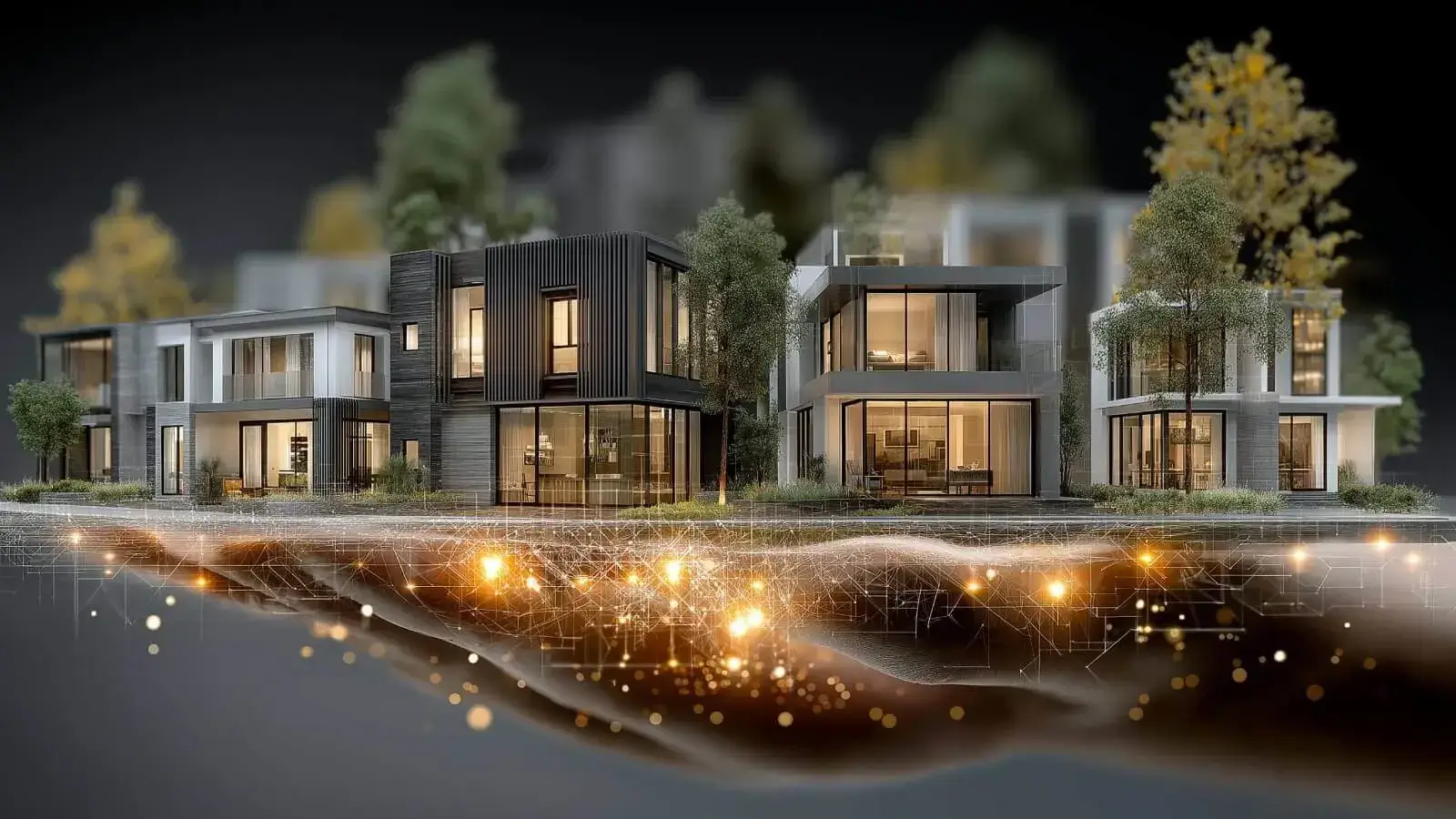
The concept of a residential ecosystem has rapidly evolved in today’s real estate landscape. Buyers are no longer just looking for a home; they are seeking a complete living experience that supports their lifestyle, well-being, and long-term value. From integrated amenities to sustainability and connectivity, modern developments are being designed as self-sufficient ecosystems.
For real estate professionals, investors, and homebuyers alike, understanding this shift is critical. It directly impacts property demand, pricing, and long-term appreciation. Whether you are planning on buying property in Ghaziabad or exploring emerging real estate markets, this guide will help you decode what today’s buyers truly want.
What is a Residential Ecosystem?
A residential ecosystem refers to a thoughtfully planned residential development that integrates housing with essential services, infrastructure, lifestyle amenities, and environmental considerations.
Key Components of a Residential Ecosystem
- Residential Units (Apartments, Villas, Plots)
- Social Infrastructure (Schools, Hospitals, Retail)
- Physical Infrastructure (Roads, Water, Power)
- Lifestyle Amenities (Parks, Gyms, Clubhouses)
- Sustainability Features (Green Spaces, Energy Efficiency)
- Connectivity (Transport And Digital Access)
Unlike traditional housing projects, residential ecosystems focus on holistic living, ensuring residents don’t need to depend heavily on external resources.
Why Residential Ecosystems Matter Today
Modern buyers are more informed and value-driven than ever. Several factors have contributed to the rising importance of residential ecosystems:
1. Lifestyle-Centric Living
People now prioritize convenience, wellness, and work-life balance. Integrated communities reduce commute time and improve quality of life.
2. Post-Pandemic Preferences
The COVID-19 pandemic reshaped housing priorities. Demand increased for:
- Open Spaces
- Health Facilities
- Home Offices
- Low-Density Living
3. Long-Term Investment Value
Properties within well-planned ecosystems tend to:
- Retain Value Better
- Attract Higher Rental Demand
- Offer Better Resale Opportunities
What Today’s Property Buyers Are Looking For
Understanding buyer preferences is essential for developers and agents. Below are the most sought-after features in a modern residential ecosystem.
1. Strong Infrastructure and Connectivity
Connectivity remains a top priority for buyers. Easy access to highways, metro stations, and business hubs is crucial.
What buyers expect:
- Proximity to Major Roads And Expressways
- Reliable Public Transport
- Seamless Connectivity to Workplaces
2. Integrated Social Infrastructure
A well-rounded ecosystem includes essential services within close reach.
Examples include:
- Schools And Educational Institutions
- Hospitals And Healthcare Centers
- Shopping Complexes And Daily Needs Stores
This is particularly important when factors to consider before property buying include long-term family needs.
3. Lifestyle Amenities
Modern buyers are willing to pay a premium for lifestyle-enhancing features.
Popular Amenities:
- Clubhouse And Fitness Centers
- Swimming Pools
- Jogging Tracks And Sports Facilities
- Co-Working Spaces
These amenities contribute to a community-driven living experience.
4. Green and Sustainable Living
Sustainability is no longer optional—it’s a key decision-making factor.
Buyers Prefer:
- Green Buildings and Eco-friendly Materials
- Rainwater Harvesting Systems
- Solar Energy Solutions
- Ample Green Spaces and Parks
According to guidelines from organizations like the Indian Green Building Council (IGBC), sustainable developments also improve energy efficiency and reduce long-term costs.
5. Safety and Security
Security remains a fundamental concern for homeowners.
Key Features Include:
- Gated Communities
- 24/7 Surveillance Systems
- Smart Access Controls
- Fire Safety Compliance
6. Smart Home Integration
Technology is becoming a standard expectation.
Smart Features Buyers Look For:
- App-based Home Controls
- Smart Lighting and Appliances
- High-Speed Internet Connectivity
Modern residential ecosystems promote a sense of community.
Key Aspects:
- Community Events and Spaces
- Shared Amenities
- Social Interaction Zones
This trend is particularly appealing to younger buyers and families.
Role of Developers in Creating Residential Ecosystems
Developers play a critical role in shaping these ecosystems. Companies like MUREC focus on delivering integrated projects that align with evolving buyer expectations.
Best Practices Developers Follow:
- Conducting Detailed Market Research
- Incorporating Sustainable Design Principles
- Partnering With Urban Planners And Architects
- Ensuring Compliance With Regulatory Standards
Conclusion
The modern real estate landscape is shifting from standalone housing to integrated living environments. Understanding the residential ecosystem concept is essential for anyone involved in property buying or investment.
Today’s buyers prioritize convenience, sustainability, and lifestyle, making residential ecosystems the future of urban living. Whether you are exploring options with MUREC or evaluating factors to consider before property buying, focusing on ecosystem-driven developments can lead to smarter and more rewarding decisions.
As the demand for holistic living continues to grow, aligning your real estate choices with these evolving trends will ensure both comfort and long-term value.
Frequently Asked Questions
They offer convenience, better lifestyle, and long-term investment value, aligning with modern buyer expectations.
They may have higher upfront costs but often provide better returns and lower long-term expenses.