
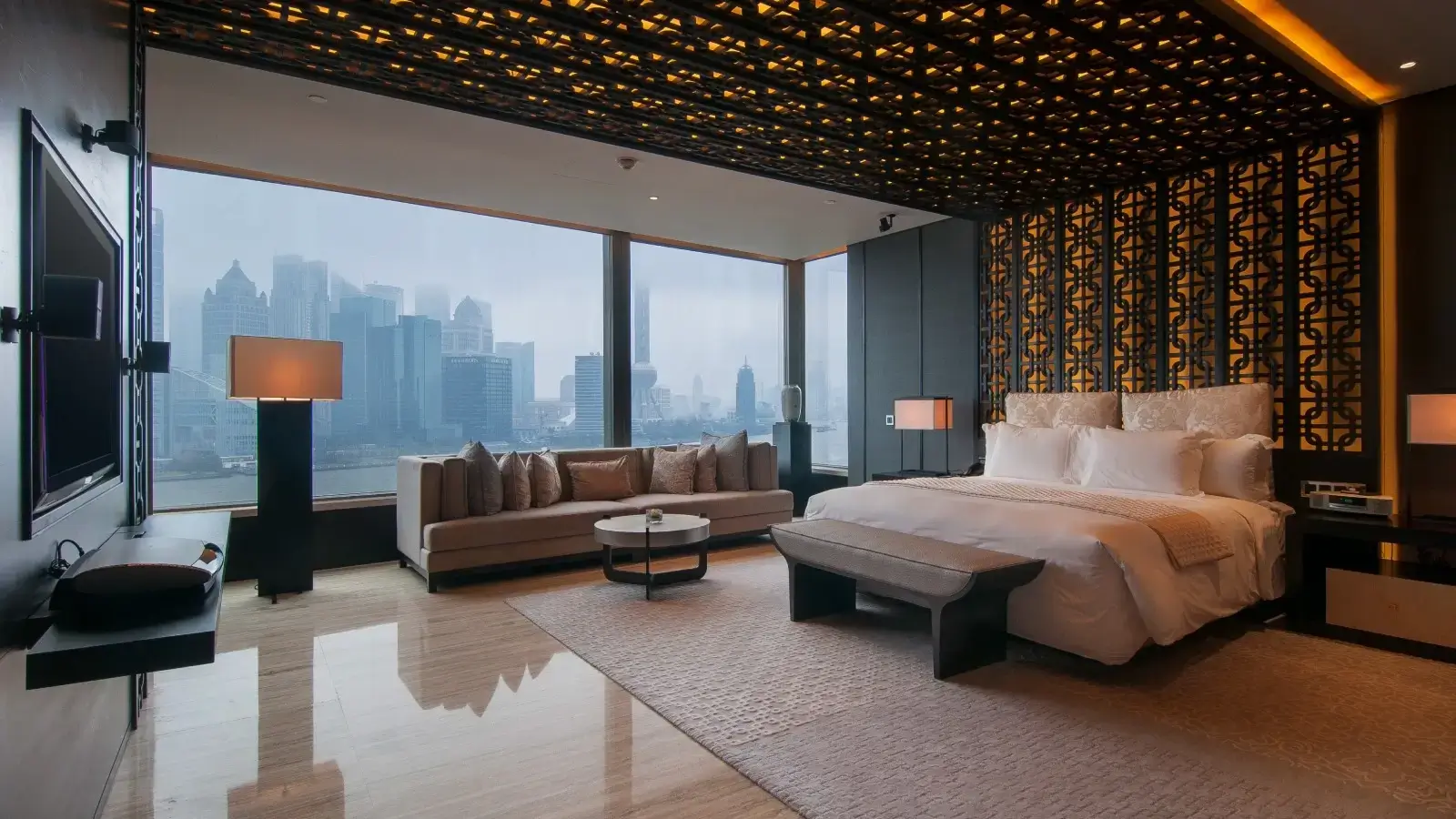
Buying a luxury apartment is a major financial and lifestyle decision. Modern buyers in Ghaziabad, Noida, and the wider NCR region are no longer evaluating homes based only on square footage or location. Today’s premium homebuyers also assess connectivity, construction quality, legal compliance, lifestyle amenities, long-term appreciation potential, and developer credibility.
The demand for luxury apartments in NCR continues to grow due to rapid infrastructure development, metro connectivity, premium township projects, and evolving lifestyle expectations. However, purchasing a luxury property without proper due diligence can create long-term financial and legal complications.
This guide explains the most important things to know before buying luxury apartments, helping homebuyers, investors, and real estate professionals make informed decisions.
Why Luxury Apartment Buying Requires Careful Planning
Luxury real estate operates differently from standard residential housing. Premium projects usually involve:
- Higher investment value
- Long-term ownership planning
- Advanced amenities
- Larger maintenance responsibilities
- Greater expectations regarding construction quality and services
In cities like Ghaziabad and Noida, buyers also need to evaluate future infrastructure growth, expressway access, metro connectivity, and neighborhood development before making decisions.
Understanding what to look for before purchasing can significantly reduce risks and improve long-term satisfaction.
1. Evaluate the Location Carefully
Location remains one of the most important factors in luxury real estate.
A premium apartment in a poorly connected or underdeveloped area may struggle to deliver long-term value appreciation. Buyers should assess both current infrastructure and future urban development plans.
Key Location Factors to Check
| Factor | Why It Matters |
|---|---|
| Metro connectivity | Improves accessibility and resale demand |
| Expressway access | Reduces travel time |
| Nearby commercial hubs | Supports rental and investment demand |
| Schools and hospitals | Enhances family convenience |
| Retail and entertainment | Improves lifestyle quality |
| Future infrastructure projects | Influences long-term appreciation |
For NCR buyers, areas near Delhi-Meerut Expressway, NH-24, and major metro corridors often attract sustained residential demand.
2. Verify Legal Approvals and Documentation
One of the most critical things to know before buying luxury apartments is legal verification.
Even premium projects must undergo thorough legal scrutiny. Buyers should never rely solely on marketing brochures or verbal assurances.
Essential Documents to Verify
- RERA registration
- Land ownership documents
- Building plan approvals
- Occupancy certificate (if applicable)
- Environmental clearances
- Fire safety approvals
- Completion certificate
- Encumbrance certificate
Using a proper legal checklist can help avoid future disputes and compliance issues.
3. Research the Developer’s Reputation
Developer reputation plays a major role in construction quality, project delivery timelines, and long-term maintenance standards. Before buying a luxury apartment, buyers should carefully review the developer’s past projects, customer feedback, construction quality, financial stability, and experience in premium housing. It is also important to check whether previous projects were delivered on time and maintained properly after possession. Established developers generally follow stronger quality control and execution standards. For buyers exploring premium residential opportunities in Ghaziabad, developers like MUREC can help provide insights into evolving luxury housing trends and trusted developments.
4. Understand the Difference Between Carpet Area and Super Area
Luxury apartment advertisements often emphasize large unit sizes, but buyers should focus on the actual usable living space before making a decision. Understanding the difference between carpet area, built-up area, and super built-up area is essential for accurate property comparison. Carpet area refers to the usable floor space inside the apartment, while built-up and super built-up areas include walls and shared common spaces. RERA regulations have improved transparency around carpet area disclosures, helping buyers make more informed choices. Apartments with similar super built-up areas can still differ significantly in layout efficiency, storage space, balcony size, and functional usability.
5. Assess Construction Quality
Luxury housing should deliver superior structural quality and premium finishing standards.
Unfortunately, some projects focus heavily on aesthetics while compromising on engineering quality.
What Buyers Should Inspect
Structural Quality
Before purchasing a luxury apartment, buyers should carefully evaluate the project’s structural quality and engineering standards. Important factors include the RCC framework strength, compliance with earthquake resistance norms, waterproofing systems, and fire safety infrastructure. Strong structural planning improves long-term durability, resident safety, and overall construction reliability. Buyers should also verify whether the project follows approved building standards and modern safety regulations.
Interior Finishes
Interior finishing quality significantly impacts the overall living experience in a luxury apartment. Buyers should carefully inspect flooring materials, modular kitchen construction, bathroom fittings, electrical systems, and the quality of doors and windows. Premium finishes not only enhance aesthetics but also improve durability, functionality, and long-term maintenance standards within the apartment.
Common Areas
- Lobby finishing
- Elevator quality
- Parking organization
- Landscaping maintenance
6. Analyze Amenities Beyond Marketing Claims
Modern luxury apartments often promote a wide range of lifestyle amenities, but buyers should evaluate whether these facilities are genuinely practical, functional, and well-maintained. Common amenities include clubhouses, swimming pools, gymnasiums, sports courts, jogging tracks, smart security systems, co-working spaces, landscaped gardens, and children’s play areas. Instead of focusing only on the number of features offered, buyers should assess usability, maintenance quality, resident capacity, space allocation, and long-term operational costs. In some projects, excessive amenities may become difficult to maintain over time, affecting both resident experience and community management quality.
7. Understand Maintenance Costs
Luxury living often involves higher recurring maintenance expenses that buyers should evaluate carefully before purchasing. Important costs may include monthly maintenance charges, parking fees, club membership expenses, power backup costs, and facility management charges. Understanding these recurring obligations helps buyers assess long-term affordability and financial planning. Poor maintenance management can negatively impact resident satisfaction, property value, community quality, and future resale potential. Premium residential communities usually require professional maintenance systems to preserve infrastructure, amenities, cleanliness, landscaping, and overall living standards over time.
8. Check Security Infrastructure
Security is one of the primary reasons many buyers prefer gated luxury communities. Modern premium residential projects typically include CCTV surveillance, smart access systems, visitor management technology, fire safety infrastructure, emergency response mechanisms, and 24/7 security personnel. These features help create a safer and more controlled living environment for residents. For families, senior citizens, and frequent travelers, a strong security infrastructure significantly improves comfort, convenience, and peace of mind. Buyers should also assess how efficiently these systems are managed and maintained within the residential community.
9. Evaluate Connectivity and Future Infrastructure
Infrastructure development plays an important role in determining long-term real estate demand and appreciation potential. Residential projects located near metro corridors, expressways, business districts, and upcoming commercial hubs often attract stronger buyer and investor interest due to improved accessibility and convenience.
In Ghaziabad, ongoing urban transformation through metro expansion, expressway development, commercial growth, and modern township projects has increased demand for premium housing. Better connectivity not only reduces commute time but also improves overall livability, making integrated luxury residential communities more attractive for families, professionals, and long-term investors across NCR.
10. Review Smart Home and Technology Features
Modern luxury homebuyers increasingly prefer technology-enabled living environments that improve convenience and everyday efficiency. Many premium apartments now include smart lighting systems, video door phones, app-based access control, automated climate control, energy-efficient infrastructure, and digital security monitoring. These features can enhance security, simplify home management, and improve overall residential comfort. Smart technology integration may also increase long-term property desirability among younger and tech-oriented buyers. However, purchasers should verify whether these systems are fully functional, reliable, and properly integrated rather than simply being highlighted as promotional marketing features.
11. Assess Ventilation and Natural Light
Premium apartments should offer healthy and comfortable living environments beyond attractive branding and interiors. Buyers should evaluate important design elements such as cross ventilation, large windows, proper balcony placement, natural sunlight access, and open green surroundings. Good ventilation and adequate daylight improve indoor comfort, reduce energy consumption, and support healthier living conditions. In contrast, poorly planned layouts with limited airflow and sunlight can negatively affect long-term livability. Modern homebuyers increasingly prioritize wellness-focused residential planning that promotes better air circulation, natural lighting, and a more balanced urban lifestyle.
12. Resale and Rental Potential
Even homebuyers purchasing for personal use should evaluate the future resale and rental potential of a luxury apartment. Factors such as developer reputation, location quality, connectivity, community maintenance, apartment layout, and surrounding infrastructure growth can significantly influence long-term market demand and property value. Well-maintained projects in strategically connected NCR locations often attract stronger buyer interest and better appreciation potential over time. Luxury apartments may also generate rental demand from corporate professionals, business owners, senior executives, and expatriates seeking premium housing with modern amenities, security infrastructure, and convenient access to commercial and business districts.
13. Compare Multiple Projects Before Finalizing
One of the most common mistakes buyers make is selecting a property without comparing enough options. Before finalizing a luxury apartment, buyers should carefully evaluate factors such as carpet area, pricing structure, amenities, construction quality, location advantages, legal approvals, and maintenance systems across multiple projects. A detailed comparison helps identify better value, stronger infrastructure, and more practical living features. Creating a structured checklist can make the evaluation process more objective and organized. This approach helps buyers avoid emotional decisions and supports more informed, financially responsible property investments.
14. Financing and Payment Plans
Purchasing a luxury apartment usually requires careful financial planning due to the high investment value involved. Buyers should evaluate important factors such as home loan eligibility, interest rates, down payment requirements, construction-linked payment plans, GST applicability, registration charges, and any hidden costs before committing. Understanding the complete financial structure helps prevent unexpected expenses later. Buyers should also maintain additional financial flexibility for interior design, furnishing, maintenance reserves, and future lifestyle expenses. Proper budgeting and long-term financial planning are essential for ensuring a comfortable and sustainable luxury homeownership experience.
15. Prioritize Long-Term Lifestyle Value
Luxury housing should deliver long-term lifestyle comfort and functionality rather than only visual appeal or premium branding. Modern homebuyers increasingly prioritize wellness infrastructure, community-oriented living, work-life balance, open green spaces, low-density planning, and family-friendly environments when selecting residential properties. These factors play a major role in overall residential satisfaction and long-term livability. Projects designed around integrated urban living often provide stronger apartment benefits by supporting healthier routines, better social interaction, and improved daily convenience. Buyers should focus on sustainable lifestyle value instead of choosing developments driven primarily by cosmetic luxury features.
Conclusion
Understanding the key things to know before buying luxury apartments can help buyers make smarter, safer, and more future-ready decisions.
Luxury housing is no longer defined only by premium interiors or large floor plans. Today’s buyers evaluate:
- Location quality
- Legal transparency
- Construction standards
- Infrastructure growth
- Lifestyle amenities
- Long-term livability
- Developer credibility
For buyers in Ghaziabad and NCR, the growing premium housing market offers significant opportunities, but careful due diligence remains essential.
Before making a final decision, buyers should thoroughly compare projects, verify documents, assess future infrastructure potential, and prioritize sustainable lifestyle value over short-term marketing appeal.
To explore evolving trends in premium residential living and modern urban communities, visit MUREC.