
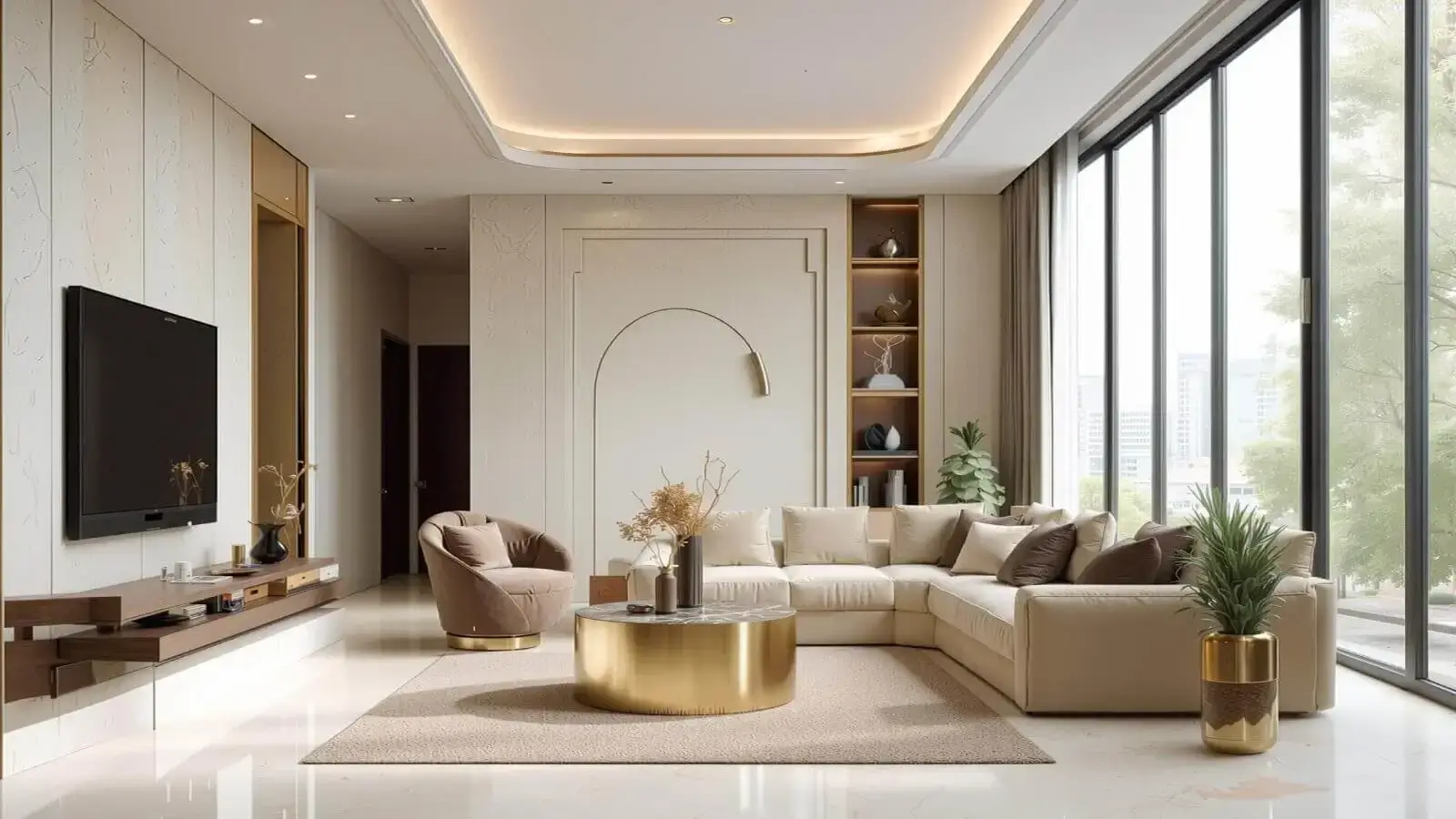
The preferences of luxury home buyers are evolving rapidly in 2026. High-net-worth individuals are no longer just purchasing properties, they are investing in lifestyles, long-term value, and future-ready living. For real estate professionals, developers, and investors, understanding these real estate trends is essential to stay competitive in a dynamic market.
This article explores the most important shifts shaping luxury real estate and how you can align your strategy with modern buyer expectations.
1. Rise of Experience-Driven Living
Luxury home buyers are prioritizing experiences over just square footage. Properties that offer a complete lifestyle comfort, privacy, and exclusivity are in high demand.
Key Features Buyers Want:
- Private Wellness Zones (Spa, Yoga Decks)
- Entertainment Spaces (Home Theaters, Lounges)
- Nature Integration (Gardens, Water Features)
This trend aligns closely with the rise of luxury living, where homes serve as personal retreats rather than just residences.
2. Smart Homes & AI Integration
Technology is no longer optional in luxury housing. Buyers expect seamless automation and intelligent systems.
Popular Smart Features:
- Voice-Controlled Lighting and Climate Systems
- Ai-Powered Security and Surveillance
- Energy-Efficient Smart Appliances
Smart homes not only enhance convenience but also improve energy efficiency, making them a practical investment.
3. Sustainability & Eco-Conscious Design
Sustainability is now a core decision factor for luxury home buyers. Environmentally responsible homes are seen as both ethical and future-proof.
Sustainable Features in Demand:
- Solar Panels And Renewable Energy Systems
- Rainwater Harvesting
- Green Building Certifications
Developers who incorporate eco-friendly construction practices gain a significant competitive advantage.
4. Prime Locations with Better Connectivity
Location remains critical, but priorities have shifted. Buyers now prefer areas that offer both exclusivity and connectivity.
| Location Factor | Buyer Preference |
|---|---|
| Accessibility | Close to Airports & Business Hubs |
| Privacy | Gated Communities & Low-Density Areas |
| Lifestyle Amenities | Nearby Luxury Retail & Fine Dining |
Projects developed by brands like MUREC reflect this shift by combining strategic locations with premium lifestyle offerings.
5. Customization & Personalization
Modern buyers want homes tailored to their unique preferences. Standard layouts are becoming less appealing.
Customization Trends:
- Flexible Floor Plans
- Personalized Interiors
- Bespoke Furniture and Finishes
This trend is particularly strong in ultra-premium developments, reinforcing why ultra-luxury apartments are best suited for evolving buyer needs.
6. Wellness-Focused Homes
Health and well-being have become central to property decisions post-pandemic.
Wellness Features:
- Air and Water Purification Systems
- Natural Lighting and Ventilation
- Dedicated Fitness and Meditation Spaces
Luxury homes are now designed to enhance physical and mental well-being, not just aesthetics.
7. Multi-Functional Spaces
With hybrid work becoming permanent, homes must serve multiple purposes.
Common Multi-Use Spaces:
- Home Offices with Soundproofing
- Convertible Guest Rooms
- Study and Creative Zones
Buyers prefer homes that adapt to their lifestyle rather than restrict it.
8. Security & Privacy as Top Priorities
High-end buyers prioritize advanced security systems and complete privacy.
Security Enhancements:
- Biometric Access Systems
- 24/7 Surveillance
- Gated Community Living
These features provide peace of mind and are often non-negotiable for luxury buyers.
Conclusion
The expectations of luxury home buyers in 2026 reflect a deeper shift toward purposeful, experience-driven living. From smart technologies and sustainability to wellness and personalization, these trends are reshaping the real estate landscape.
For developers and investors, adapting to these changes is not optional—it’s essential for long-term success. Exploring projects aligned with these trends, such as those offered by MUREC, can provide valuable insights into the future of premium living.
Frequently Asked Questions
Key trends include smart homes, sustainability, wellness-focused design, and experience-driven living.
Eco-friendly homes reduce environmental impact and offer long-term cost efficiency, making them highly attractive.
Technology is crucial. Buyers expect smart automation, enhanced security, and energy-efficient systems.
They offer premium amenities, customization, and a complete lifestyle experience, aligning with modern buyer expectations.