
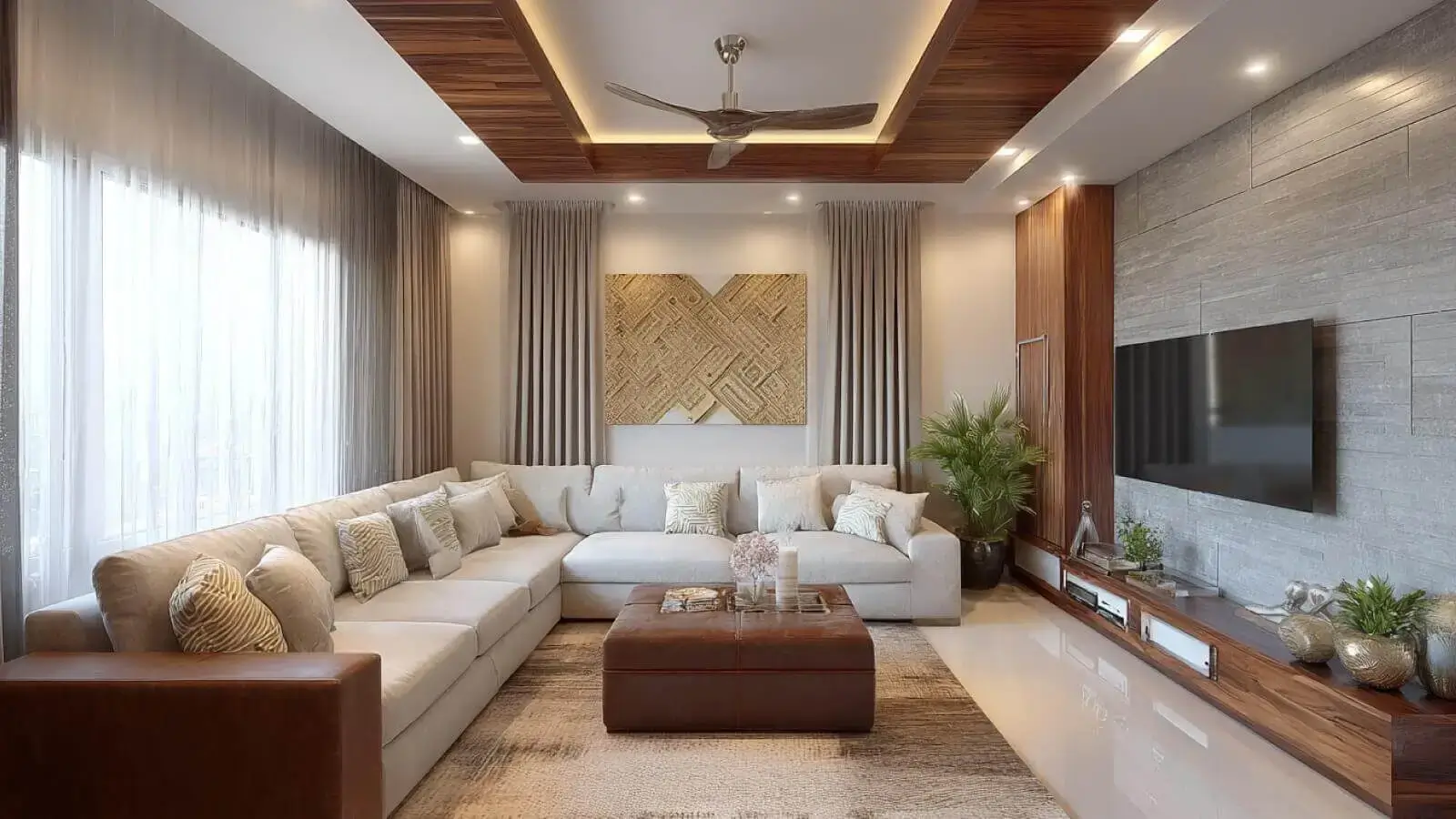
Luxury living is no longer just about marble floors, spacious layouts, or premium locations. In 2026, the definition has evolved significantly, shaped by changing lifestyles, technology, sustainability, and global influences. For real estate professionals, investors, and homebuyers, understanding what luxury living actually means today is essential to staying relevant in a highly competitive market.
The expectations of modern buyers have shifted. They now seek experiences, personalization, wellness, and long-term value rather than just visual opulence. This transformation is driving the rise of luxury living as a lifestyle concept rather than a price tag.
In this blog, we will break down what defines luxury living in 2026, how it impacts real estate decisions, and what professionals should focus on to meet evolving demands.
The Evolution of Luxury Living
Luxury real estate has undergone a remarkable transformation over the past decade. Earlier, luxury meant:
- Prime Location
- Large Carpet Area
- Premium Materials
- Exclusive Neighborhoods
However, in 2026, luxury is far more holistic. It includes:
- Quality of Life
- Smart Technology Integration
- Health and Wellness Features
- Sustainability
- Privacy and Personalization
This shift is largely driven by urbanization, hybrid work culture, and increased awareness of environmental and mental well-being.
Key Elements That Define Luxury Living in 2026
1. Smart Homes and Integrated Technology
Technology is now at the core of modern luxury homes.
Today's buyers expect:
- AI-Powered Home Automation Systems
- Voice-Controlled Lighting, Temperature, and Security
- Smart Energy Management Systems
- Integrated Entertainment Ecosystems
Luxury homes are designed to be intuitive and responsive. This not only enhances comfort but also improves energy efficiency and security.
2. Wellness-Centric Living Spaces
Post-pandemic awareness has made wellness a top priority.
Luxury homes now include:
- Dedicated Meditation and Yoga Spaces
- Advanced Air Purification Systems
- Natural Lighting and Ventilation Design
- Biophilic Architecture (Green Walls, Indoor Plants)
- Access to Wellness Centers and Spas
These features fall under amenities that define luxury in modern developments.
3. Sustainable and Eco-Friendly Design
Sustainability is no longer optional, it is expected.
Key features include:
- Solar Panels and Renewable Energy Systems
- Rainwater Harvesting
- Waste Management Systems
- Energy-Efficient Appliances
- Green Building Certifications
Buyers are increasingly choosing homes that reduce environmental impact while lowering long-term costs.
4. Location Still Matters, But Differently
Location remains important, but the definition has evolved.
Today's luxury locations offer:
- Seamless Connectivity to Business Hubs
- Proximity to Green Spaces
- Access to Healthcare and Education Institutions
- Low-Density Living Environments
Developments near emerging hubs like MUREC are gaining popularity due to their planned infrastructure and long-term growth potential.
5. Privacy and Exclusivity
Privacy has become one of the most sought-after aspects of luxury living.
Modern luxury projects emphasize:
- Limited Units Per Floor
- Private Elevators
- Gated Communities with Advanced Security
- Soundproofing and Spatial Planning
High-net-worth individuals prioritize exclusivity over density.
6. Community and Lifestyle Amenities
Luxury is increasingly about lifestyle experiences.
Projects now offer:
- Clubhouses with Co-Working Spaces
- Infinity Pools and Fitness Centers
- Sports Facilities
- Fine Dining Options Within the Premises
- Concierge and Hospitality Services
These integrated communities redefine urban living.
Luxury Living Then vs Now
| Feature | Traditional Luxury | Luxury in 2026 |
|---|---|---|
| Focus | Space & Materials | Experience & Lifestyle |
| Technology | Minimal | Fully Integrated Smart Systems |
| Sustainability | Rare | Essential |
| Wellness | Secondary | Primary Feature |
| Community Living | Limited | Highly Integrated |
| Personalization | Basic | Highly Customizable |
The Future of Luxury Living
The future of luxury living is expected to become even more dynamic.
Emerging trends include:
- AI-Driven Home Ecosystems
- Carbon-Neutral Housing Projects
- Virtual Reality-Enabled Property Experiences
- Integrated Work-from-Home Infrastructure
- Wellness-Focused Urban Planning
Luxury will continue to evolve alongside technology and societal changes.
Conclusion
Luxury living in 2026 is no longer defined by superficial elements. It is a blend of comfort, technology, sustainability, and well-being. Understanding what luxury living actually means today is crucial for anyone involved in real estate, whether you are a developer, investor, or homebuyer.
The shift towards experience-driven living reflects broader societal changes. As the future of luxury living continues to evolve, those who adapt to these trends will lead the market.
If you are planning your next investment or project, focus on creating value-driven, lifestyle-oriented spaces that align with modern expectations.
Frequently Asked Questions
Luxury living in 2026 refers to a holistic lifestyle that combines smart technology, wellness, sustainability, and personalized experiences.
Yes, integrated smart technology is now a standard expectation in luxury housing.
Sustainability is a key factor influencing buying decisions and long-term value.
Wellness spaces, smart systems, concierge services, and eco-friendly features are among the top amenities that define luxury.
While traditionally yes, evolving developments are making certain aspects of luxury more accessible.