
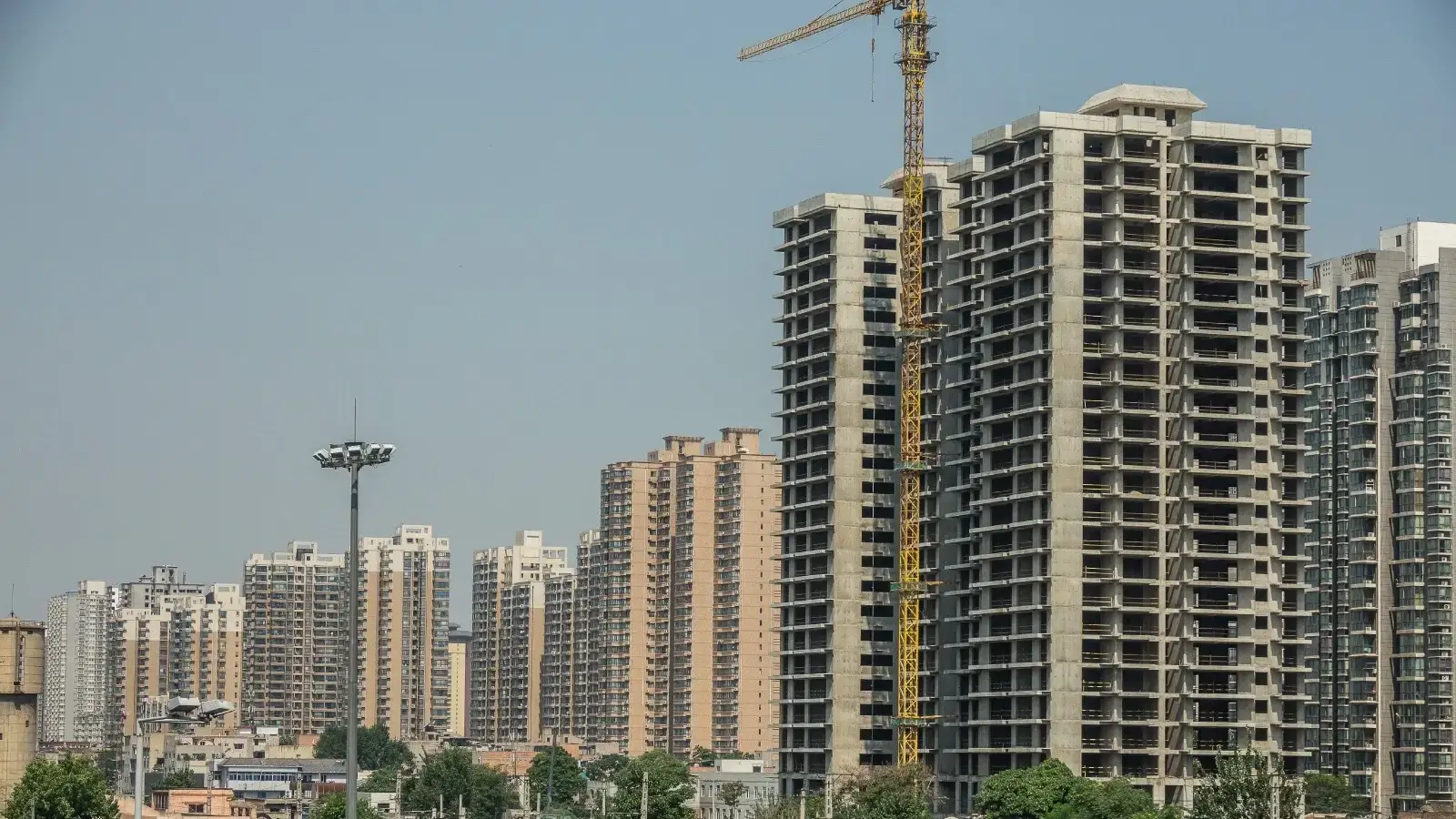
Ghaziabad has transformed significantly over the past decade. Once viewed primarily as a satellite city of Delhi, it is now emerging as a major residential and investment destination in NCR. Rapid infrastructure expansion, improved connectivity, metro development, expressways, and modern urban planning are reshaping the city’s real estate landscape.
This transformation is directly influencing the demand for premium housing and redefining the luxury living for modern homebuyers. Today’s buyers are not only searching for spacious homes but also for convenience, accessibility, wellness-focused communities, and integrated lifestyles.
For investors, developers, and homeowners, understanding how infrastructure growth is boosting luxury living is essential because infrastructure remains one of the strongest drivers of long-term real estate appreciation.
Developers like MUREC are contributing to this evolving residential ecosystem by focusing on premium developments designed around modern urban lifestyles.
Why Infrastructure Matters in Real Estate Growth
Infrastructure acts as the backbone of urban real estate development. Roads, metro connectivity, airports, educational institutions, healthcare systems, and commercial hubs directly influence property demand and lifestyle quality.
In cities like Ghaziabad, infrastructure growth creates:
- Better accessibility
- Reduced travel time
- Higher employment opportunities
- Improved social infrastructure
- Enhanced livability
- Stronger investor confidence
As infrastructure improves, residential demand shifts toward premium and luxury housing because buyers increasingly prioritize convenience, quality of life, and long-term value.
Improved Connectivity
Delhi-Meerut Expressway
The Delhi-Meerut Expressway has significantly improved connectivity between Ghaziabad, Delhi, and nearby NCR regions.
Reduced travel time makes Ghaziabad attractive for:
- Corporate professionals
- Business owners
- Frequent commuters
- Investors seeking emerging markets
Luxury buyers increasingly prefer locations that combine accessibility with relatively lower congestion compared to central Delhi.
Rapid Metro Expansion
Metro connectivity remains one of the biggest contributors to residential appreciation in NCR.
The extension of metro corridors has improved commuting convenience across:
- Vaishali
- Indirapuram
- Raj Nagar Extension
- Siddharth Vihar
- Crossing Republik
Easy metro access enhances the desirability of premium residential projects because buyers value seamless daily mobility.
Regional Connectivity and NCR Integration
Ghaziabad’s strategic location within NCR makes it highly attractive for luxury housing growth.
The city offers direct access to:
- Delhi
- Noida
- Greater Noida
- Gurugram
- Meerut
This regional integration supports both residential demand and commercial expansion.
As employment centers expand across NCR, homebuyers increasingly seek residential communities that provide:
- Better affordability than central Delhi
- Modern infrastructure
- Premium lifestyle amenities
- Efficient commuting options
Growth of Commercial and Business Hubs
Infrastructure growth also attracts commercial investments.
As business districts and office spaces expand in and around Ghaziabad, the city experiences rising demand from:
- Working professionals
- Entrepreneurs
- Senior executives
- NRIs
- Investors
This directly fuels luxury residential demand because higher-income buyers prioritize upgraded lifestyle environments.
Commercial growth additionally improves:
- Retail development
- Hospitality infrastructure
- Employment generation
- Social infrastructure investment
This creates a self-sustaining urban ecosystem that supports long-term real estate appreciation.
Modern Urban Planning is Reshaping Residential Preferences
Modern buyers now prefer integrated communities rather than standalone residential buildings.
Infrastructure-led urban planning supports:
- Wider roads
- Better drainage systems
- Green spaces
- Organized traffic movement
- Sustainable utilities
- Smart infrastructure systems
These improvements significantly influence premium housing decisions.
Today, luxury buyers evaluate:
1. Community Design
Modern residential communities are designed to create a balanced and comfortable lifestyle. Well-planned layouts enhance resident privacy, improve walkability, strengthen safety measures, and provide better access to landscaped parks, recreational zones, and open green spaces that support healthier urban living.
2. Sustainability Features
Modern luxury developments increasingly integrate sustainable solutions such as rainwater harvesting, solar-powered systems, energy-efficient lighting, and advanced waste management practices. These eco-conscious features not only reduce environmental impact but also enhance long-term living efficiency, making sustainability an essential component of contemporary luxury living.
3. Wellness-Oriented Amenities
Modern luxury living increasingly focuses on physical and mental well-being. Homebuyers today prefer residential projects that offer fitness centers, jogging tracks, meditation zones, sports facilities, landscaped green areas, and air-quality-conscious planning to support healthier, more balanced lifestyles within urban environments.
Social Infrastructure is Enhancing Livability
Infrastructure growth is not limited to roads and transport systems.
Social infrastructure plays an equally important role in boosting luxury housing demand.
Educational Institutions
The presence of reputed schools and universities significantly increases demand for family-oriented housing. Homebuyers often prefer residential locations that provide convenient access to international schools, higher education institutions, and skill development centers, as quality education remains a major factor influencing long-term residential decisions.
Healthcare Facilities
Advanced healthcare infrastructure plays a major role in enhancing urban livability and residential appeal. Luxury homebuyers often prioritize locations that offer easy access to multi-specialty hospitals, emergency care centers, and wellness clinics, ensuring better medical support, convenience, and long-term peace of mind for families.
Retail and Entertainment Development
Modern luxury lifestyles are strongly influenced by convenience, leisure, and recreational accessibility. The growth of shopping malls, restaurants, entertainment centers, multiplexes, and lifestyle retail zones significantly enhances the appeal of premium residential corridors by creating more vibrant, convenient, and experience-driven urban environments for residents.
Technology and Smart Infrastructure are Elevating Luxury Living
Technology integration is becoming a major differentiator in luxury housing.
Modern infrastructure supports:
- Smart traffic systems
- Digital security
- High-speed internet connectivity
- Smart home automation
- App-based community management
Luxury buyers increasingly expect technologically advanced living environments.
Conclusion
Understanding how infrastructure growth is boosting luxury living helps explain why Ghaziabad is rapidly emerging as a premium residential destination within NCR.
Improved connectivity, metro expansion, expressway development, commercial growth, and modern urban planning are transforming both lifestyle standards and real estate demand patterns.
The modern definition of luxury now extends beyond large homes. Buyers increasingly seek convenience, sustainability, wellness, security, and integrated living experiences.
As the rise of luxury living continues across NCR, Ghaziabad stands out as a city benefiting directly from infrastructure-led transformation. Real Estate Developers such as MUREC are participating in this evolution by creating residential environments aligned with modern urban aspirations.
For investors, homeowners, and real estate professionals, infrastructure-driven growth remains one of the strongest indicators of long-term residential potential.